







Search Results for: light-medium roast espresso beans
Costa Rica Fuego Phoenix Estate Blue Sapphire SOE Espresso Preparation Log: Extraction and Milk Coffee Performance of a Light-Medium Roasted Single-Origin Espresso Bean
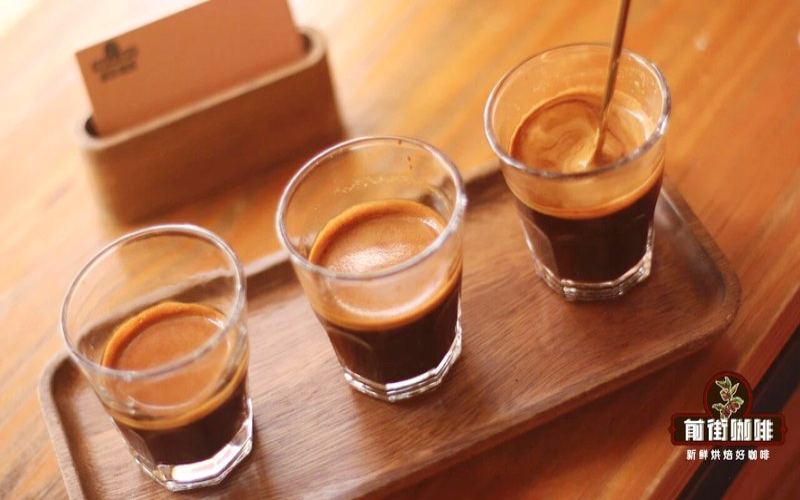
This article is the first in a series of SOE espresso experiments launched by Front Street Coffee, using Costa Rican Fuego Phoenix Estate Sapphire coffee beans to make espresso. These beans come from the Central Valley, at an altitude of 1600 meters, sun-dried, with varieties Caturra and Catuai. The article documents in detail the extraction parameters and flavor performance, and extends to pairing tests with milk coffee. Since the beans' roast level was originally more suited to pour-over, when used for SOE, the resting period needs to be extended and the extraction time lengthened to 35 seconds, in order to fully release the fermented aromas and avoid under-extraction. If you are interested in single-origin espresso, you may wish to refer to the parameters in this article to explore more possibilities with these beans. [more…]

Recommendations for light-medium roast beans with floral and fruity notes | What are the differences between Ethiopian, Kenyan, and Panamanian floral and fruity notes? Are floral and fruity coffee beans better for pour-over or espresso?
Generally speaking, lightly roasted coffee can retain more acidity in its flavor profile. If the beans themselves also contain certain alcohols and lipids, roasting will further bring out a captivating floral and fruity aroma. However, as the roast deepens, both the acidity and the floral and fruity notes gradually fade away and transform into bitter compounds, making the coffee [more…]
A Complete Breakdown of SOE Espresso Extraction Details: Grinding, Ratios, and Flavor Adjustment Techniques for Light-Medium Roast Espresso Beans
Making SOE with light-roasted beans is one of the more challenging aspects of espresso extraction. Drawing on the hands-on experience of Front Street Coffee, this article explains in detail how to set the extraction formula, how to adjust the grind setting according to the roast level, and provides troubleshooting approaches and adjustment plans for three common problems: sharp acidity with no lingering aftertaste, excessive bitterness from over-extraction, and thin crema. The core logic is: light-roast SOE requires higher extraction efficiency, and a brew ratio of 1:2 with a time of 30–35 seconds is a common starting point, but the final taste still depends on cupping judgment—fine-tuning the grind size and the yield are the keys that determine success or failure. [more…]
Ethiopian Natural Huakui Coffee Bean Flavor Analysis: How to Choose Between Light and Medium Roasts, Comparing Two Front Street Coffee Single Origins
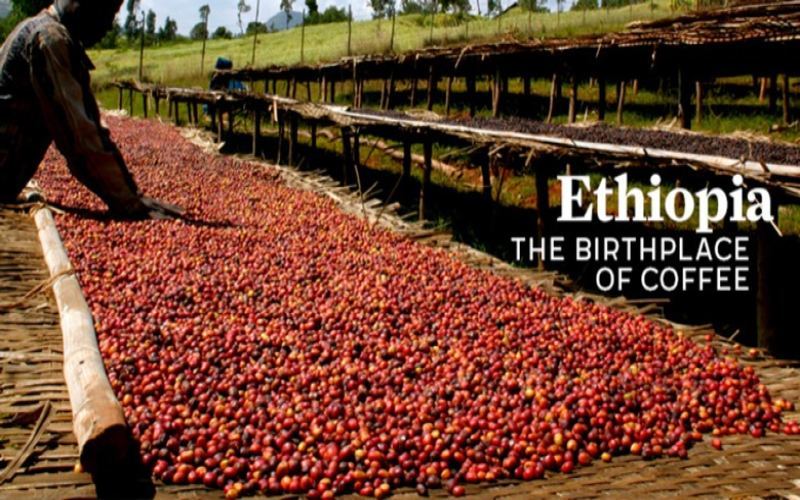
Ethiopia is the birthplace of coffee. While the washed beans of Yirgacheffe are certainly a classic, natural processing is actually the dominant method in terms of local output, accounting for about seventy percent of the country's production. Huakui from the Sidama Guji region is precisely a representative of natural beans that combines both flavor and reputation. This article begins with the origin conditions and natural processing techniques behind Huakui, sorts through the sources of its floral, strawberry, dried fruit, honey, and juicy flavors, and then compares Front Street Coffee's light-medium roast Huakui with the medium roast Huakui SOE in terms of extraction methods and taste, helping you make the right choice among pour-over, cold brew, and espresso. [more…]
How to Choose the Roast Level for Ethiopian Sidamo Guji Hambela Coffee Beans? Flavor Differences Between Light, Medium, and Dark Roasts and an Analysis of Front Street Coffee Products
The Sidamo region is located in the southern highlands of Ethiopia, where high altitudes and fertile soil give rise to specialty coffee with pronounced floral and fruity notes. Front Street Coffee's Huakui is a prime example, winning the favor of many enthusiasts with its rich strawberry jam aroma and layered flavors of blueberry, guava, mango, and black tea. This article starts from the region's terroir and sun-dried processing method to analyze why Huakui coffee beans are suited to light-to-medium roasting rather than dark roasting, and introduces two Front Street Coffee Huakui products—the light-to-medium roast for pour-over drip bags and the espresso SOE version—to help you make a more suitable choice when buying and brewing. [more…]
How to Choose Coffee Beans for Beginners? The Difference Between Dark Roast and Light-Medium Roast, Plus Front Street Coffee's Recommended Everyday Beans from Major Regions
Friends who are just getting into coffee often struggle with the same question: for a beginner, should you choose dark-roasted or light-to-medium-roasted coffee beans? In fact, whether it's single-origin or espresso, freshness always comes first. For single-origin beans, pay attention to origin, altitude, and processing method, while for espresso beans, look at the blend recipe. The world's coffee-growing regions can be broadly divided into three major areas: Africa, Asia, and the Americas, each presenting different flavors such as floral and fruity acidity, nutty and herbal notes, or nutty and chocolatey notes. Front Street Coffee's everyday drinking beans are selected from representative regions across major growing areas, mainly using the washed process, striving to showcase the true flavors of their origins. This article will introduce Front Street Coffee's everyday drinking bean series one by one by region, and share pour-over pouring techniques and the importance of coffee bean freshness, helping beginners find the cup of coffee that suits them. [more…]
Pour-Over Coffee Bean Fruity Acidity Flavor Guide: How Light-Medium Roasts Present Floral and Fruity Notes, with Variety Recommendations
From light to dark roasting, coffee beans can undergo a dramatic flavor transformation within just a few minutes and a temperature difference of about 10°C. Light roasting preserves more organic acids, resulting in bright acidity and rich aromatic layers; medium roasting achieves more thorough caramelization, lowering acidity and enhancing sweetness. If you want to enjoy alluring floral and fruity notes, it is recommended to prioritize light to medium roasts and choose varieties based on flavor descriptions. This article reviews how different roast levels affect acidity and aroma, and recommends five representative Front Street Coffee pour-over beans: Fruit Ding Ding, Kenya Little Tomato, Strawberry Candy, Colombia Big Belly Button, and Flower Butterfly, corresponding to flavors such as citrus and floral, berry and cherry tomato, raisin gummy, passion fruit and blueberry, and citrus honey pomelo tea, helping coffee lovers make precise purchases according to their preferences. [more…]
Yirgacheffe Starter Guide: How to Choose Between Light, Medium, and Dark Roasts
The flavor range of Yirgacheffe is very broad, and the roast level takes it in different directions: a light roast makes it easier to taste floral notes, citrus, and berries; a medium roast brings out more sweetness and smoothness; a dark roast moves toward cocoa, nuts, and a heavier mouthfeel. Beginners may want to check the roast label first, then decide which kind of cup they want to start getting to know this [more…]
How to Choose SOE Coffee Beans: Matching Flavor from Light to Dark Roast
SOE refers to espresso made from single-origin or single-lot coffee beans, and the cup often shows more character than common blends. It can be citrus, berry, and floral, or it can go the route of nuts, cocoa, and caramel. When choosing, first look at the roast level, then consider whether you usually drink Americano, espresso, or latte, and the flavor direction will [more…]
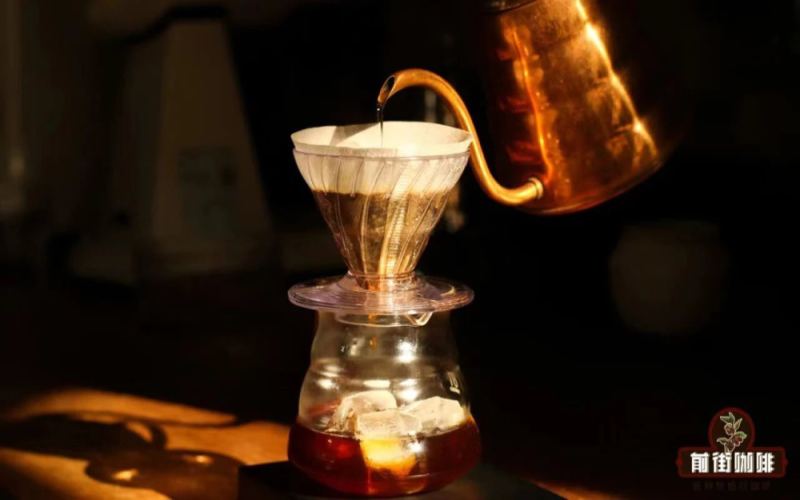
Coffee Flavor Extraction | What is the relationship between the grind size of freshly roasted coffee beans and coffee extraction? How fine should coffee grounds be for pour-over, espresso, and French press?
The grind size in coffee directly affects the contact area between the coffee and water as well as the extraction time, and it will directly impact the coffee's taste. But at the same time, coffee grind size is also the biggest headache for many people! In this article, Front Street will explain how to determine the appropriate grind size for different coffee beans. First [more…]
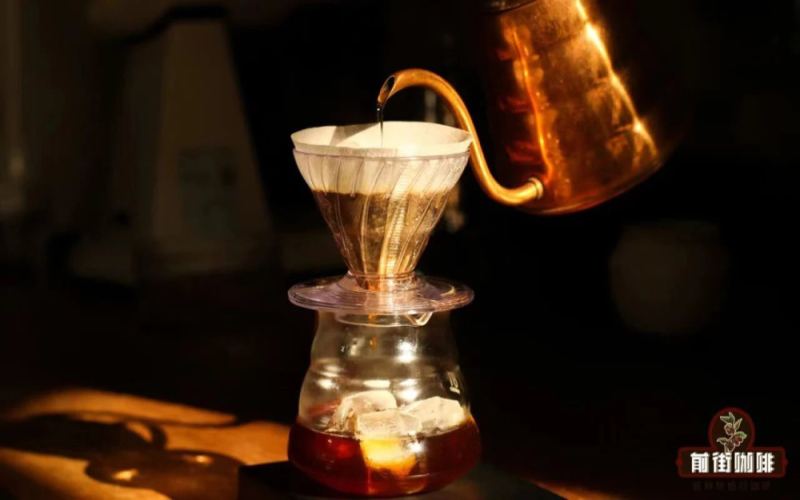
How Does Coffee Bean Grind Size Determine Extraction? A Complete Guide from Resting to Sieve Correction
The grind size of coffee directly determines the contact area between water and coffee grounds as well as the extraction time, which in turn affects the final taste. But when faced with different roast levels and different brewing devices, how do you determine the right grind size? This article starts with the freshness of coffee beans and resting, systematically explains the actual impact of grind size on flavor, analyzes the respective signs of over-grinding and under-grinding, and introduces the cup-testing correction sieve method recommended by Front Street Coffee. Finally, it gives specific coarseness references for common devices such as espresso, drip bags, pour-over, and French press, helping coffee enthusiasts find a grinding plan that suits them. [more…]
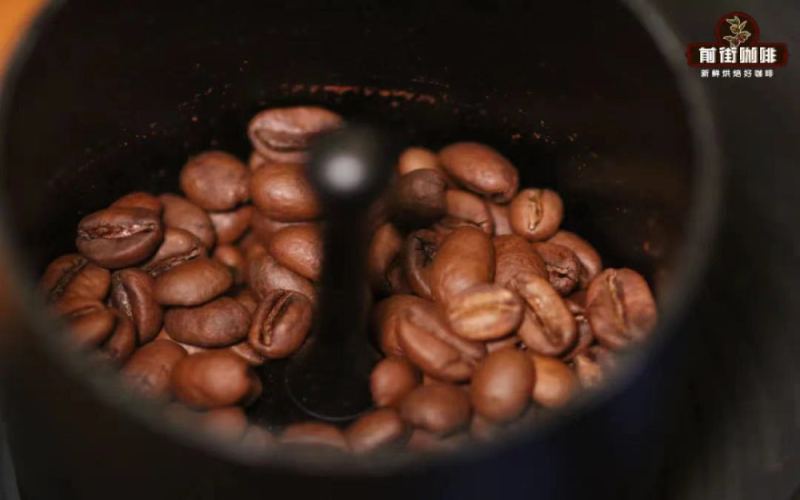
The Complete Guide to Resting Hand-Pour and Espresso Coffee Beans: Optimal Degassing Times and Identification Methods for Different Roast Levels
Why do freshly roasted coffee beans need to rest for a period? How does carbon dioxide release affect extraction and flavor? Drawing on the practical experience of Front Street Coffee, this article systematically explains the principles and necessity of resting beans, and provides recommended resting days for three roast levels: light-medium, medium, and medium-dark. At the same time, you will learn how to judge whether coffee beans have finished degassing by observing the blooming state in pour-over brewing and the crema performance of espresso, as well as how to flexibly adjust the resting period under low winter temperatures. Whether you prefer pour-over or espresso, these practical tips can help you present coffee's fullness and cleanliness more consistently. [more…]

How Long to Finish Freshly Ground Coffee? | For Pour-Over, Cold Brew, Ice Drip, Moka Pot, and Espresso, How Do You Determine Grind Size? How Do You Adjust the Coffee Grind Setting?
For more specialty coffee knowledge, please follow: Front Street Coffee (Frontsteet Coffee). The coarseness or fineness of the grind in coffee directly affects the contact area between the coffee and water as well as the coffee extraction time, and it will directly affect the taste of the coffee. But at the same time, the coffee grind size is also what gives many people the biggest headache. [more…]
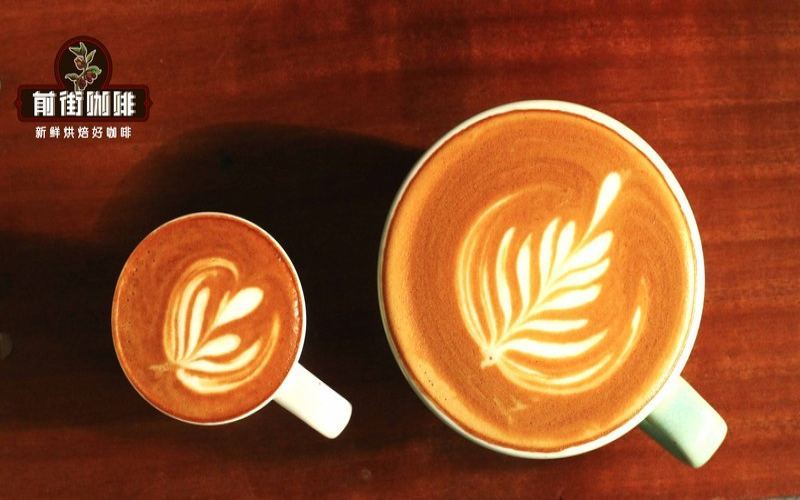
Choosing Delicious Americano Coffee Beans by Roast Level
Americano looks simple, but in fact it says a lot about a bean's roasting direction. Once hot water stretches out the espresso, the acidity, sweetness, body, and finish all become clearer. If you like a bright, fruity profile, start with a light roast; if you prefer something soft and easy to drink, look at a light-medium or medium roast; and if you are used to nutty, cocoa, and heavy-bodied flavors, [more…]
How fine should coffee beans be ground? Practical advice on resting time and the optimal flavor window
The coffee grind size directly determines the contact area between water and coffee grounds, thereby affecting the final flavor expression. This article begins with coffee bean freshness management, explaining resting time and the optimal drinking window, then analyzes one by one the taste differences caused by grinding too fine or too coarse. It also provides a specific method for calibrating grind size using a No. 20 sieve, along with a five-level grind classification that can be referenced even without buying a sieve. Combining the brewing practices of Front Street Coffee, the article recommends corresponding grind sizes for different roast levels and brewing devices, helping enthusiasts find the coarseness standard suited to their own taste. [more…]
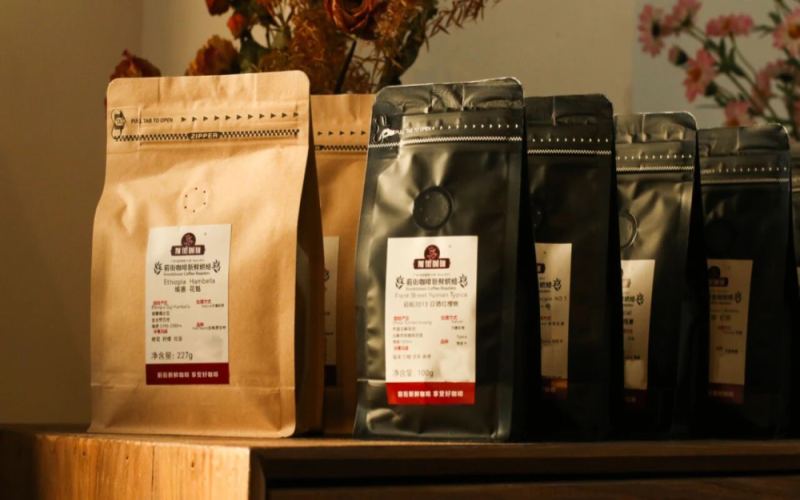
Home Coffee Bean Selection Guide: For Pour-Over, Should You Choose Single-Origin or Blend? A Full Analysis of Freshness and Regional Flavors
Faced with a bewildering array of coffee bean options, many enthusiasts often don't know where to start. This article approaches bean selection from three dimensions—extraction method, roast date, and regional flavor profiles—to help you clarify your thinking: pressurized extraction suits espresso blends, while pour-over extraction is better suited to single-origin beans; when purchasing, be sure to check the roast date and one-way degassing valve packaging; beans from different regions have distinct flavor emphases—African beans offer floral aromas and fruity acidity, Central and South American beans have nutty notes, and Asian beans are rich and full-bodied with low acidity. It also answers the question of whether to buy whole beans or ground coffee, and includes specific product recommendations from Front Street Coffee, so you can easily find the one that suits you. [more…]
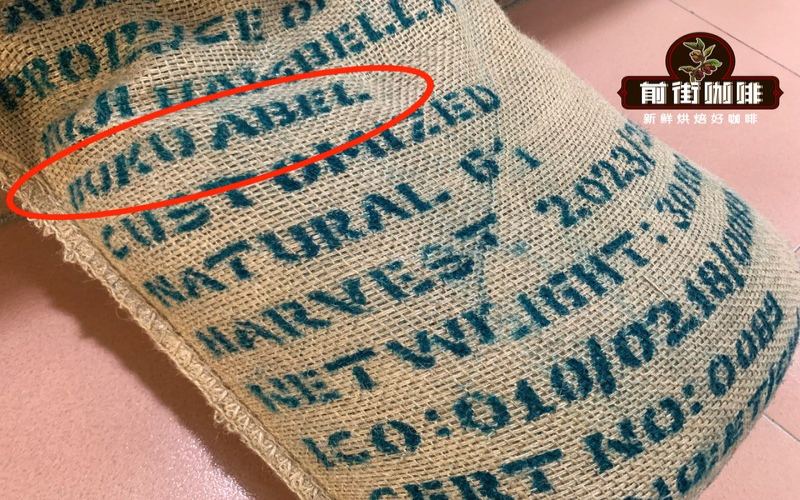
Want a smooth, sweet aftertaste? First, check how far your coffee beans have been roasted.
If you want acidity that doesn't overpower, a smooth entry, and a sweet finish, you can start by looking at the roast level when choosing beans. Roasting time changes the acidity, caramelized aromas, and body of coffee, and the same region can show completely different characteristics under light, medium, and dark roasts. For ordinary coffee consumers, start by roast [more…]
Balanced Sweet and Sour Coffee Beans: How to Choose Roast Level
A balance of acidity and sweetness isn't exclusive to any single type of coffee bean, nor is it simply a matter of adding sourness and sweetness together. The roast level determines where the flavor emphasis lies: when beans are roasted light, fruity notes and a crisp, refreshing quality stand out more; at a medium roast, acidity, sweetness, and body blend together more easily; and as you go darker, caramel, cocoa, and nutty aromas gradually take over. [more…]
High-value espresso blend beans: how to decide roast level
The roast level of an espresso blend often tells you more about a coffee's character than the flavor notes on the packaging. Light roasts lean bright, medium roasts show more sweetness, medium-dark roasts balance aroma with body, and dark roasts tend toward cocoa, caramel, and a toasted feel. When your budget is limited, choosing a roast direction based on the drinks you usually make beats blindly chasing [more…]
Choosing Beans for Your Moka Pot by Roast Level: A Pairing Guide from Crisp to Rich
Coffee brewed in a moka pot usually has concentrated aroma and a full body, and the roast level of the beans directly shifts the balance in the cup. Light roasts tend to leave bright acidity and fruity notes, medium roasts often show soft sweetness and clear layering, while medium-dark or dark roasts push cocoa, nutty and roasted notes to the front. You can first base it on what you like [more…]